In people without diabetes , hypoglycaemia is relatively uncommon but can occur due to: Prolonged fasting or inadequate carbohydrate intake Excessive alcohol consumption , particularly without food Certain medications , including specific antibiotics (e.g., fluoroquinolones), quinine, and pentamidine (though these are rare causes) Hormonal deficiencies affecting cortisol or growth hormone Rare conditions such as insulinomas (insulin-producing tumours) or reactive hypoglycaemia Critical illness or organ failure affecting the liver or kidneys For individuals with diabetes , hypoglycaemia is more frequent and typically results from: Insulin or sulphonylurea medications (such as gliclazide or glimepiride) Missed or delayed meals after taking glucose-lowering medication Increased physical activity without adjusting medication or food intake Alcohol consumption which impairs the liver's glucose production Medication errors or dose miscalculations Symptoms of hypoglycaemia include trembling, sweating, anxiety, hunger, palpitations, confusion, and in severe cases, loss of consciousness or seizures

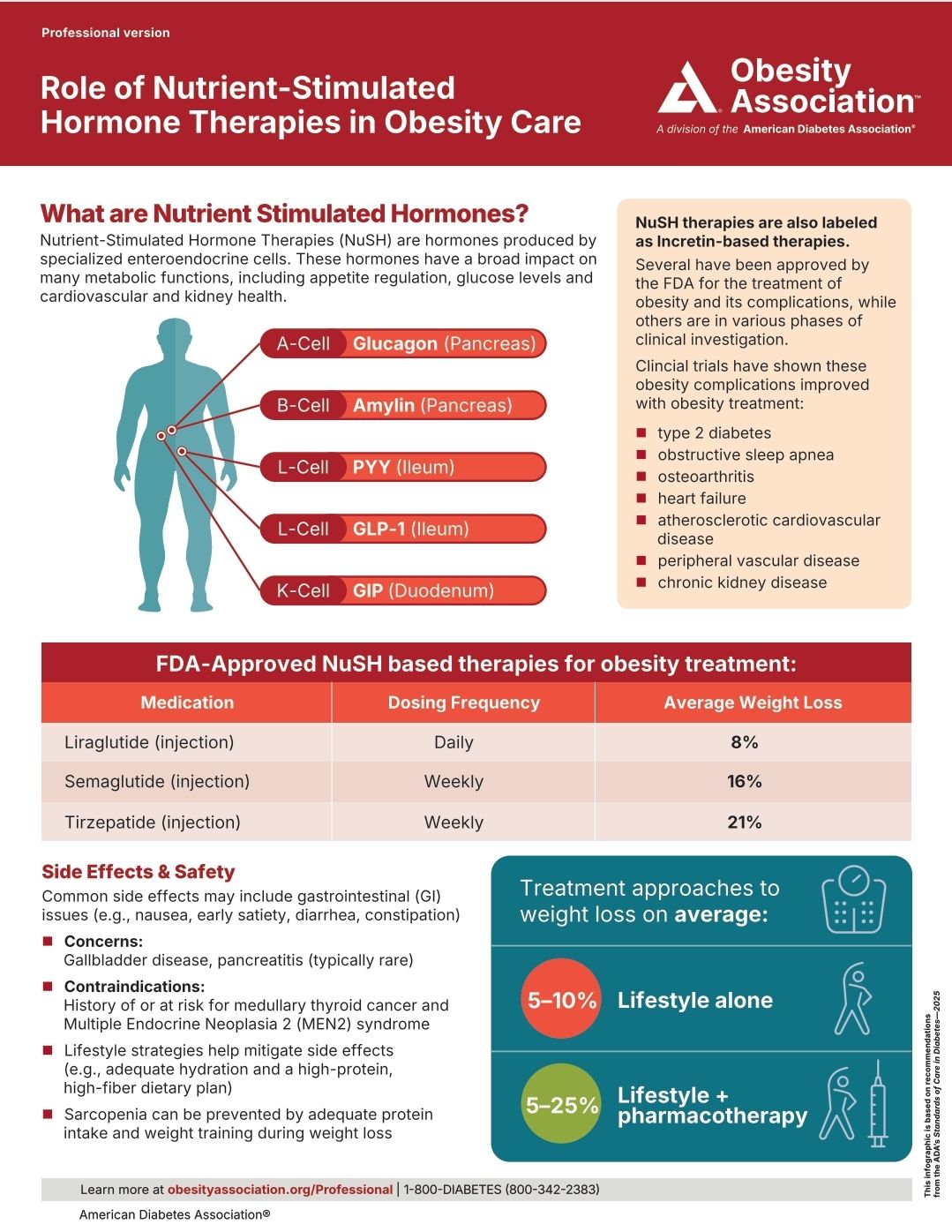
The drug's primary action involves binding to both GIP and GLP-1 receptors, which are naturally occurring incretin hormones that regulate glucose metabolism and appetite
This condition shows up through several signs: A constant feeling of grittiness or something foreign in the eyes Increased sensitivity to things like wind, air conditioning, or looking at screens Unusual tearing as the eye tries to make up for lack of moisture Discomfort when wearing contact lenses or trouble getting used to them Redness and swelling of the surface of the eyes The exact reason why dry eyes develop in Mounjaro users is still being studied
At the same time, Dr
Natural B12: Essential for energy production and overall cellular health
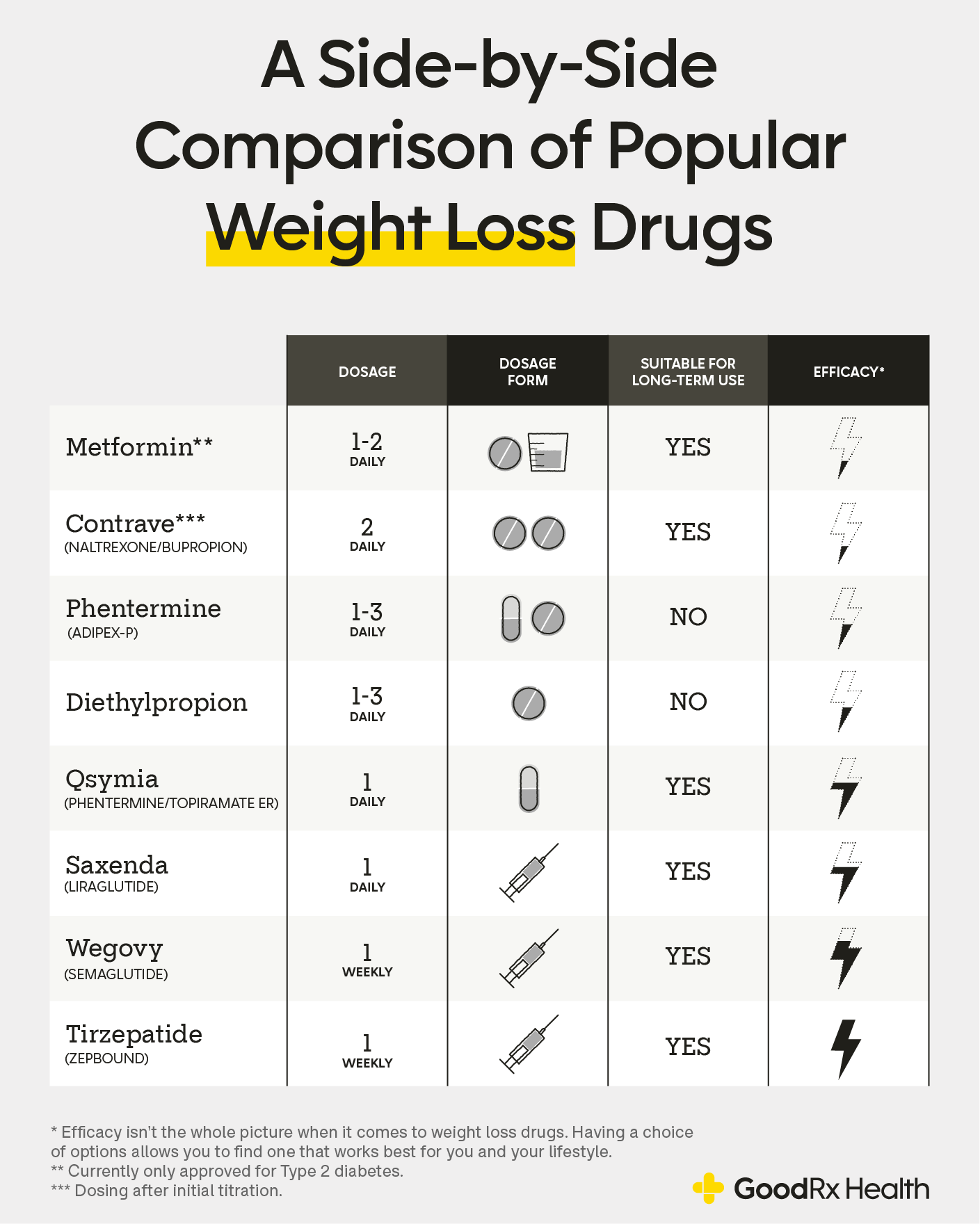
The right medication for you depends on your health history, tolerance, and your provider's recommendation
:max_bytes(150000):strip_icc()/VWH-GettyImages-2126120259-c2442d334436484baa255439265b7fb1.jpg)




.png.jpg)