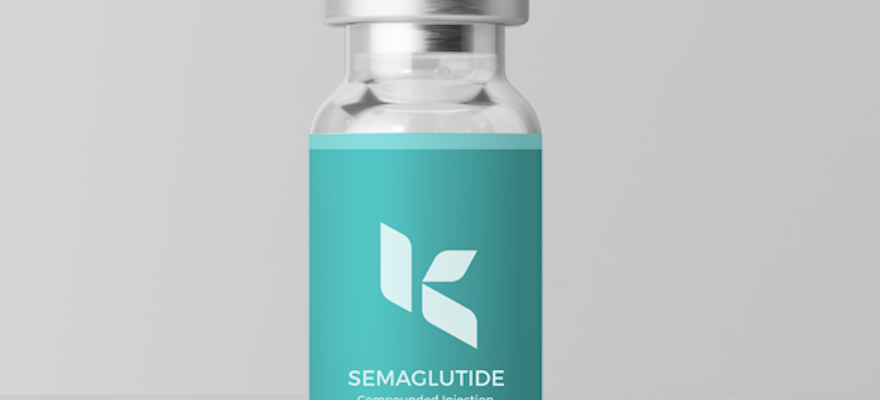
This material is educational, not a personal-preparation guide The reconstitution math for a 30 mg vial is linear: any concentration is reachable by choosing the corresponding diluent volume, but only a few concentrations make operational sense Three of the most common educational target concentrations are 10 mg/mL (3 mL diluent), 6 mg/mL (5 mL diluent), and 15 mg/mL (2 mL diluent), each useful at different dose levels The "right" answer is the one that fits the patient's prescribed weekly dose into a clean syringe gradation, not a universal formula For 12 mg weekly doses, concentrations below 10 mg/mL push the dose volume over 1 mL, beyond a single U-100 syringe Direct answer The question "how much bacteriostatic water to reconstitute 30 mg retatrutide" does not have a single correct answer
Patients with sulfa or sulfite sensitivity warrant extra care, and a thorough allergy history covering not just the active ingredient but preservatives and additives in the formulation should precede any infusion
When water freezes, it forms ice crystals that push solutes (including the benzyl alcohol) out of the ice lattice
Stable gastric pentadecapeptide BPC 157, in clinical trials as a therapy for inflammatory bowel disease (PL14736), is effective in the healing of colocutaneous fistulas in rats: role of the nitric oxide-system
Standard hair growth protocols use 1-2 mg daily via subcutaneous injection
Well tailor your injection to your individual needs