These support melanin production at a cellular level
Marijan Petek, chief of Laboratory for Endocrinology, Hospital Sestre Milosrdnice, Zagreb, Croatia, personal communication, 1988
Uses & Indication Overweight or obesity (BMI above 25) Visceral and abdominal fat reduction Metabolic slowdown associated with aging Enhancing fat loss while maintaining muscle mass Suitable for patients who cannot tolerate stimulant-based weight loss medications Can be used alongside GLP-1 medications but does not replace them Benefits Increases fat breakdown through lipolysis activation Reduces new fat formation Targets stubborn adipose tissue Does not affect blood sugar or IGF-1 levels Safe metabolic profile suitable for long-term use Supports gradual and steady fat loss Dosage & Injection Protocol Standard Dosing 500 mcg subcutaneously once daily Administer in the morning while fasting or before bed Avoid injecting within 2 hours of meals, especially carbohydrate-heavy meals Injection Timing Rules Inject on an empty stomach (avoid food for 2 hours before and 30 to 45 minutes after)
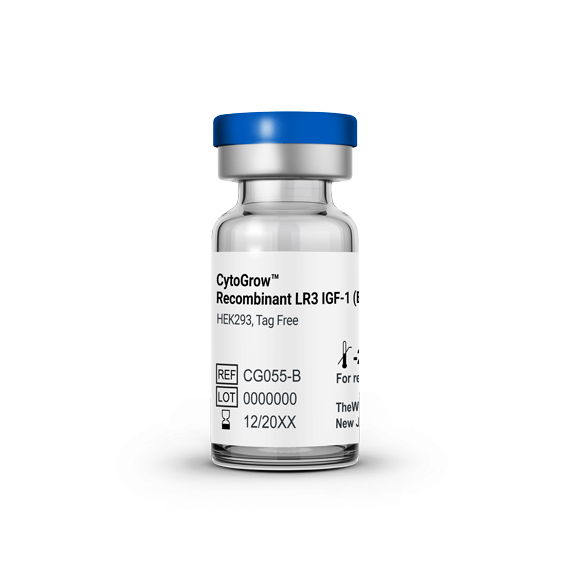
This form of administration requires very large volumes of the solution, occasionally as much as 300 mL during a single treatment period
The UGTs catalyze the transfer of glucuronic acid from donor molecule, uridine-a-glucuronide to a variety of substrates, both endogenous compounds and xenobiotics (Foti and Dalvie, 2016)
Specifically, Botox injections are a great way to minimize the lines on our neck known as neck bands or necklace lines