doi: 10.1016/j.cmet.2016.06.009 9 KappeCTracyLMPatroneCIverfeldtKSjholm
Semaglutide works by mimicking a hormone called GLP-1 (glucagon-like peptide-1) in your body
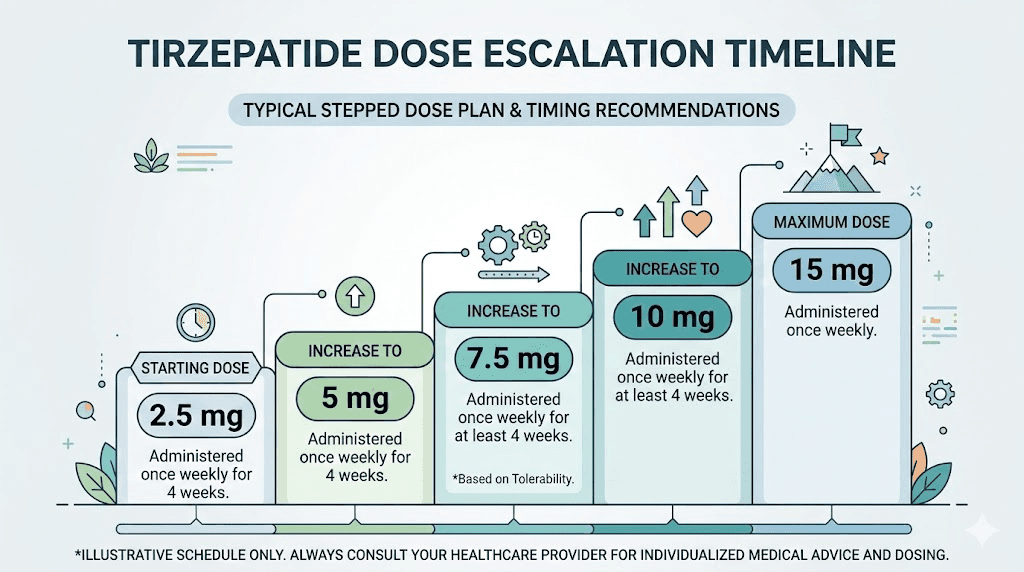
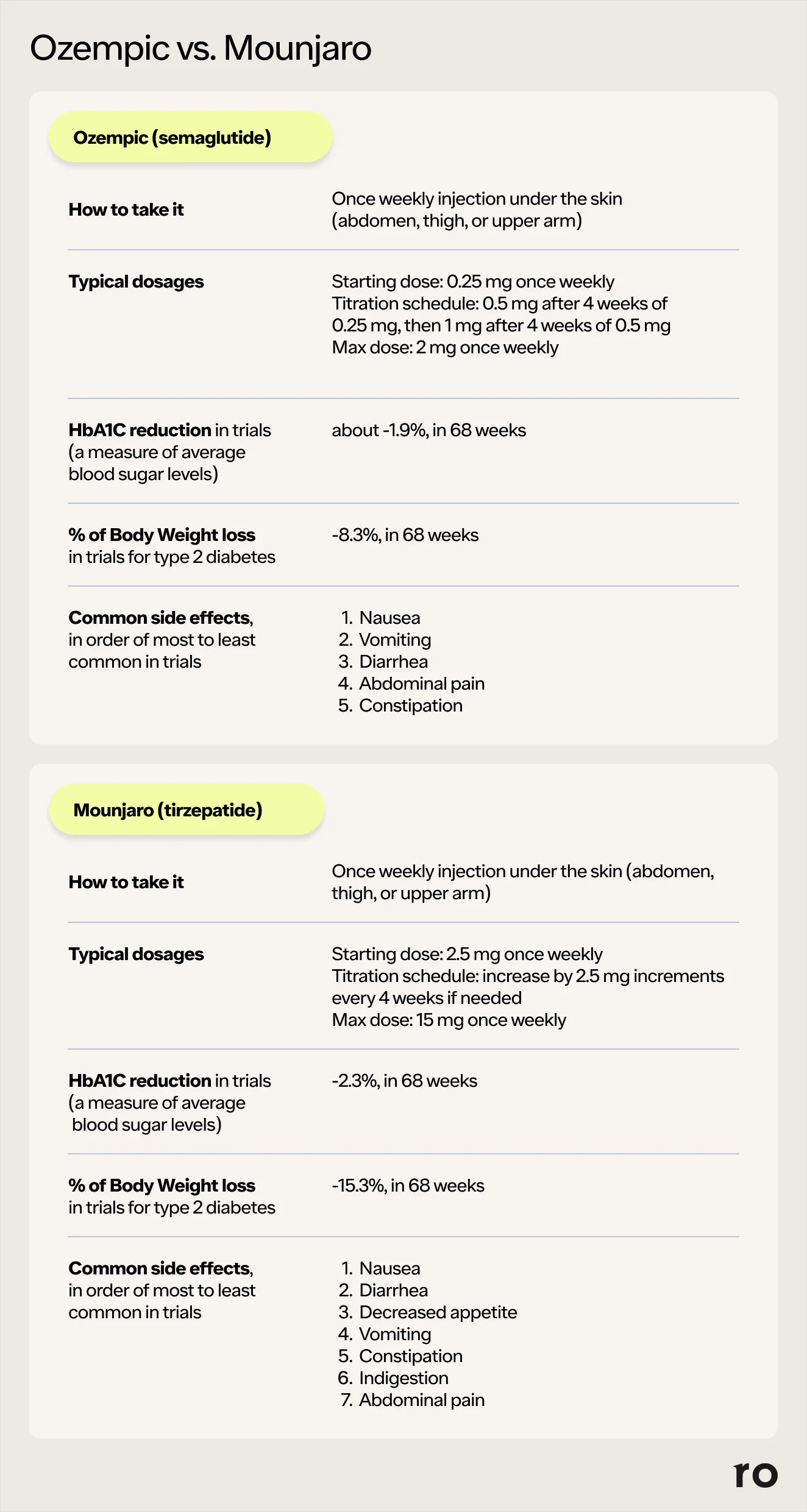
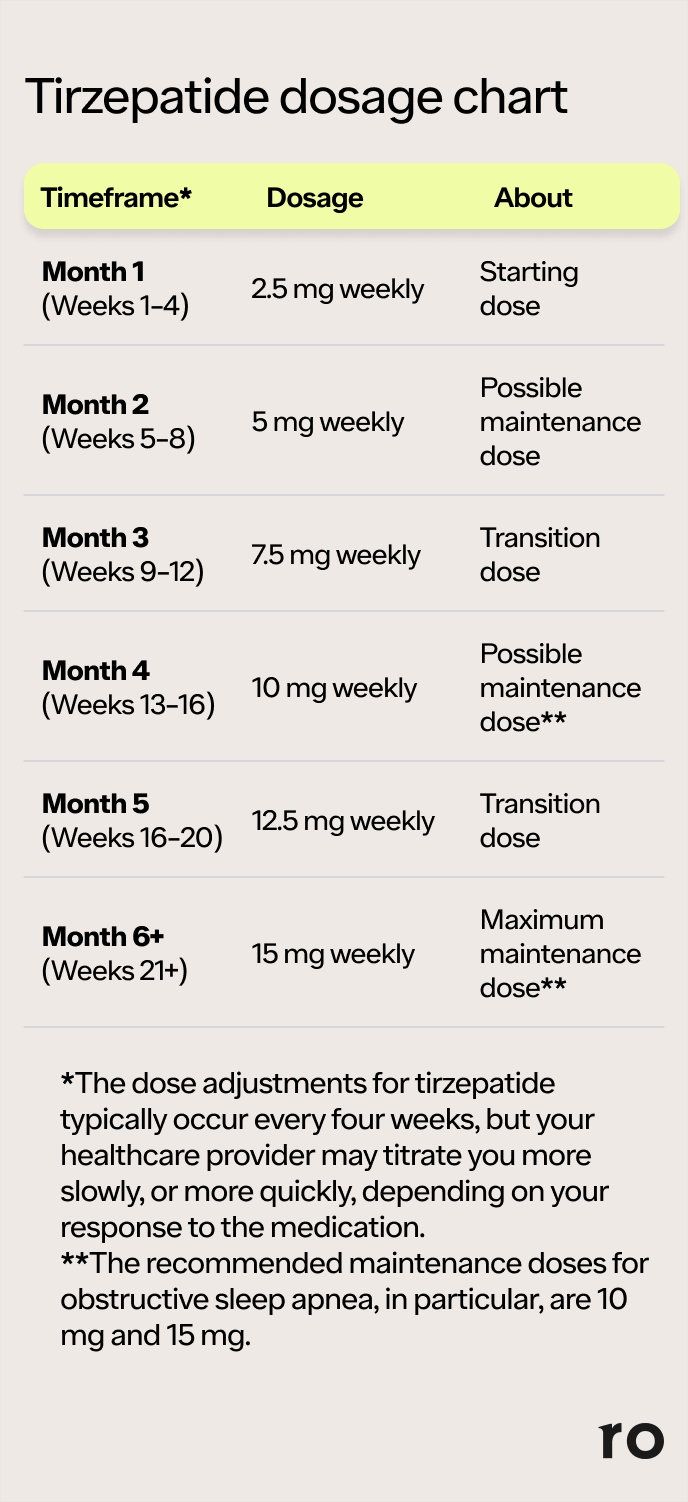
The typical schedule moves through 2.5 mg, 5 mg, 7.5 mg, 10 mg, 12.5 mg, and 15 mg increments, with each step giving your GLP-1 and GIP receptors time to become sensitized
Together, they deliver a comprehensive, dermatologist-aligned approach to treating hyperpigmentation, melasma, dark spots, and uneven skin tone
Potential explanations include: Allergic or hypersensitivity reactions : Rarely, patients may develop urticaria (hives), angioedema, or pruritus as part of an immune response to semaglutide or excipients in the formulation
Human medicines in 2025 EMA (used as proxy for EMA EPAR database confirming no retatrutide authorisation)