Is there any sort of clinical or economic justification for it
The study also argues that GLP-1 knockoffs threaten the financial incentives necessary to develop future innovative medicines
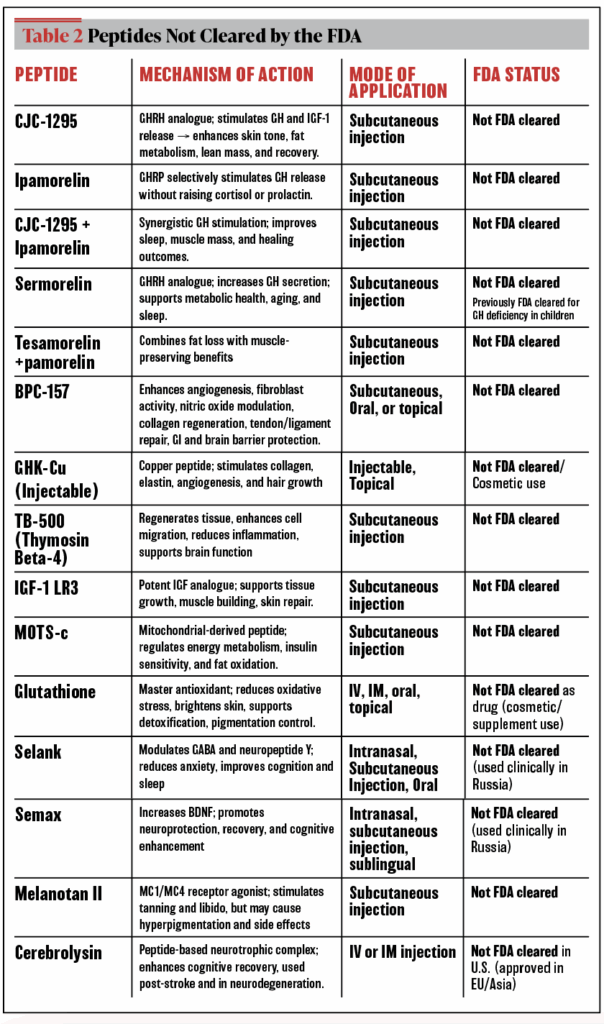
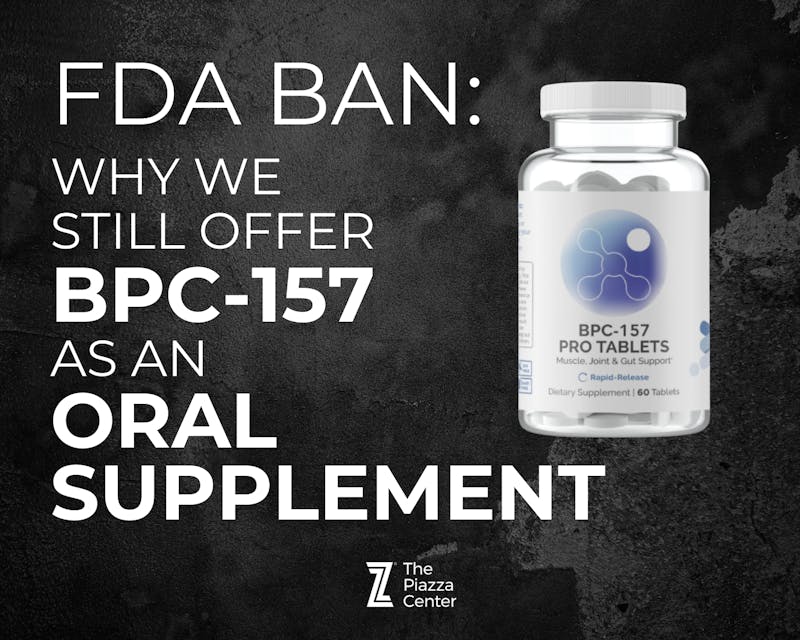
BPC-157s resistance to gastric degradation has led researchers to propose that oral administration may deliver systemic activity, not merely local gut effects
hepatic biological barriers also curtail the amount of medication that penetrates systemic circulation, thereby dampening therapeutic outcomes (Table 1) [20, 21]

Examples of medications that can increase your blood sugar levels include: certain antipsychotic drugs, such as: chlorpromazine clozapine (Clozaril, Fazaclo) olanzapine (Zyprexa) corticosteroids, such as: budesonide (Entocort EC, Pulmicort, Uceris) prednisone (Rayos) prednisolone (Orapred, Prelone) methylprednisolone (Medrol) hydrocortisone (Cortef, many others) diuretics, such as: chlorthalidone hydrochlorothiazide (Microzide) metolazone indapamide protease inhibitors for HIV, such as: atazanavir (Reyataz) darunavir (Prezista) fosamprenavir (Lexiva) ritonavir (Norvir) tipranavir (Aptivus) oral contraceptives (birth control pills) certain other medications, such as: albuterol (ProAir, Proventil, Ventolin HFA) danazol isoniazid levothyroxine (Levoxyl, Synthroid, Tirosint, Unithroid) niacin (Niaspan, Slo-Niacin, others) somatropin (Genotropin, Norditropin, Saizen, others) Tresiba and certain blood pressure medications Taking Tresiba with certain blood pressure medications can make the symptoms of hypoglycemia (low blood sugar levels) hard to detect
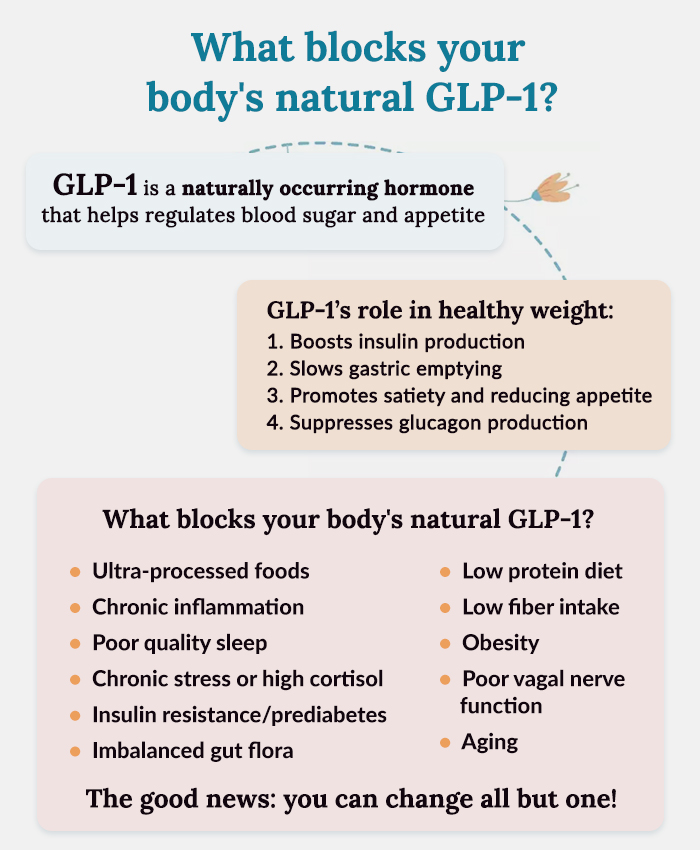
These are: 1


.png?ver=V_XikP92lILtNXWLnvc1tA%3D%3D&tx=w_842)