In an in vitro model of diabetes retinopathy, AC, reduced retinal pigment epithelial cell damage through inhibiting Keap1 expression, endorsing nuclear translocation of Nrf2, elevating NQO1 and HO-1 expression, reducing ROS, and increasing superoxide dismutase (SOD), total antioxidant capacity (T-AOC), and glutathione peroxidase (GSH-Px) (Yang et al
Enzo Spisni, [email protected] These authors have contributed equally to this work $ These authors have contributed equally to this work and share last authorship ORCID: Fabio Vivarelli, orcid.org/0000-0002-8734-0985 Disclaimer All claims expressed in this article are solely those of the authors and do not necessarily represent those of their affiliated organizations, or those of the publisher, the editors and the reviewers
Testing may evaluate: Blood count Kidney and liver function Blood sugar and insulin-related markers Cholesterol Thyroid function Hormone levels IGF-1 Inflammatory markers Other condition-specific biomarkers Not every patient requires every test
V6611 May include imposed supplier surcharges
Each has a different cause and a different fix
One theory regarding the essential function of Sec at the active site of GPxs is that the presence of Sec instead of a Cys at the active site may enhance the rate of reaction with hydrogen peroxide because Sec is deprotonated at physiological pH











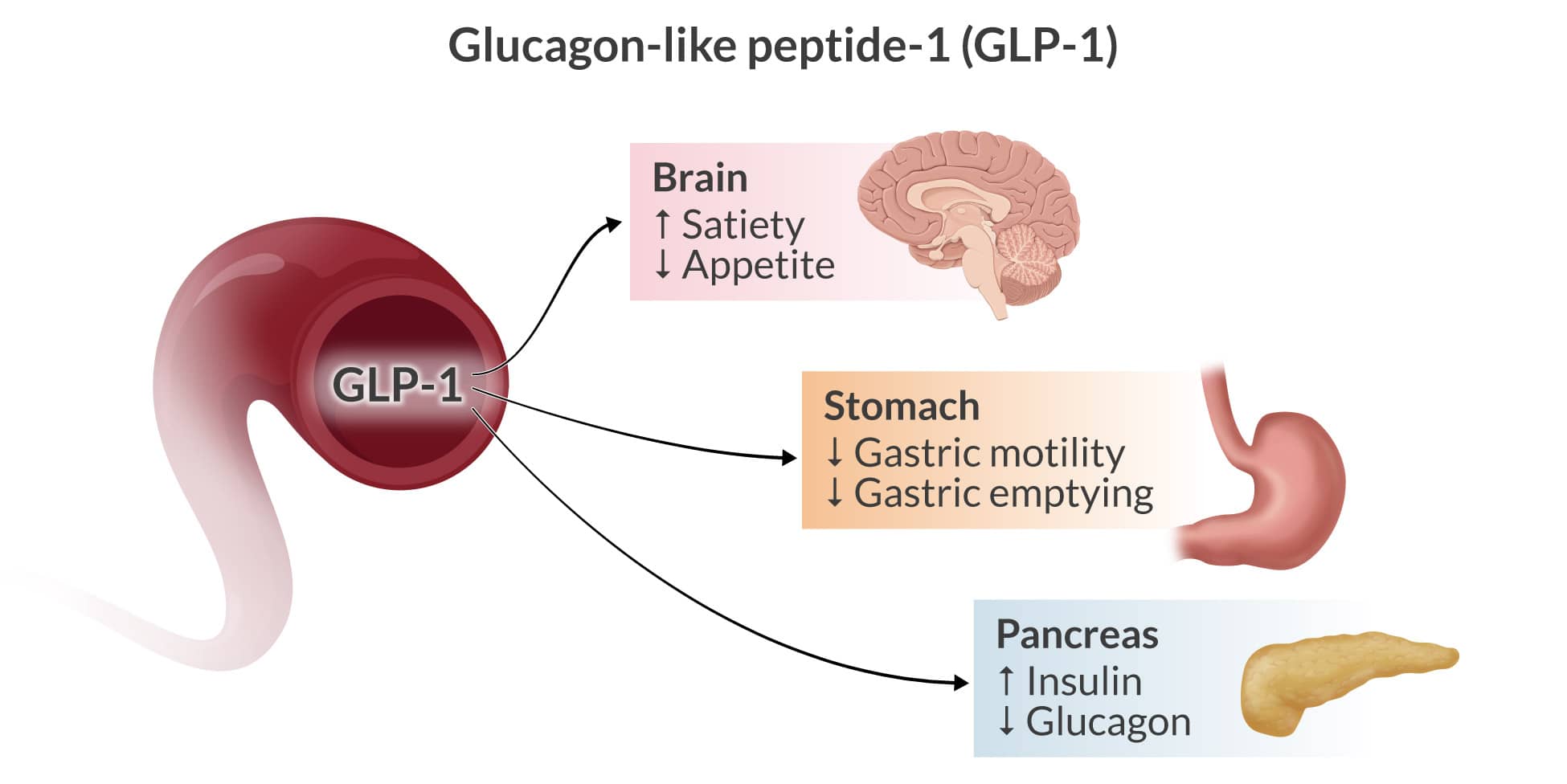
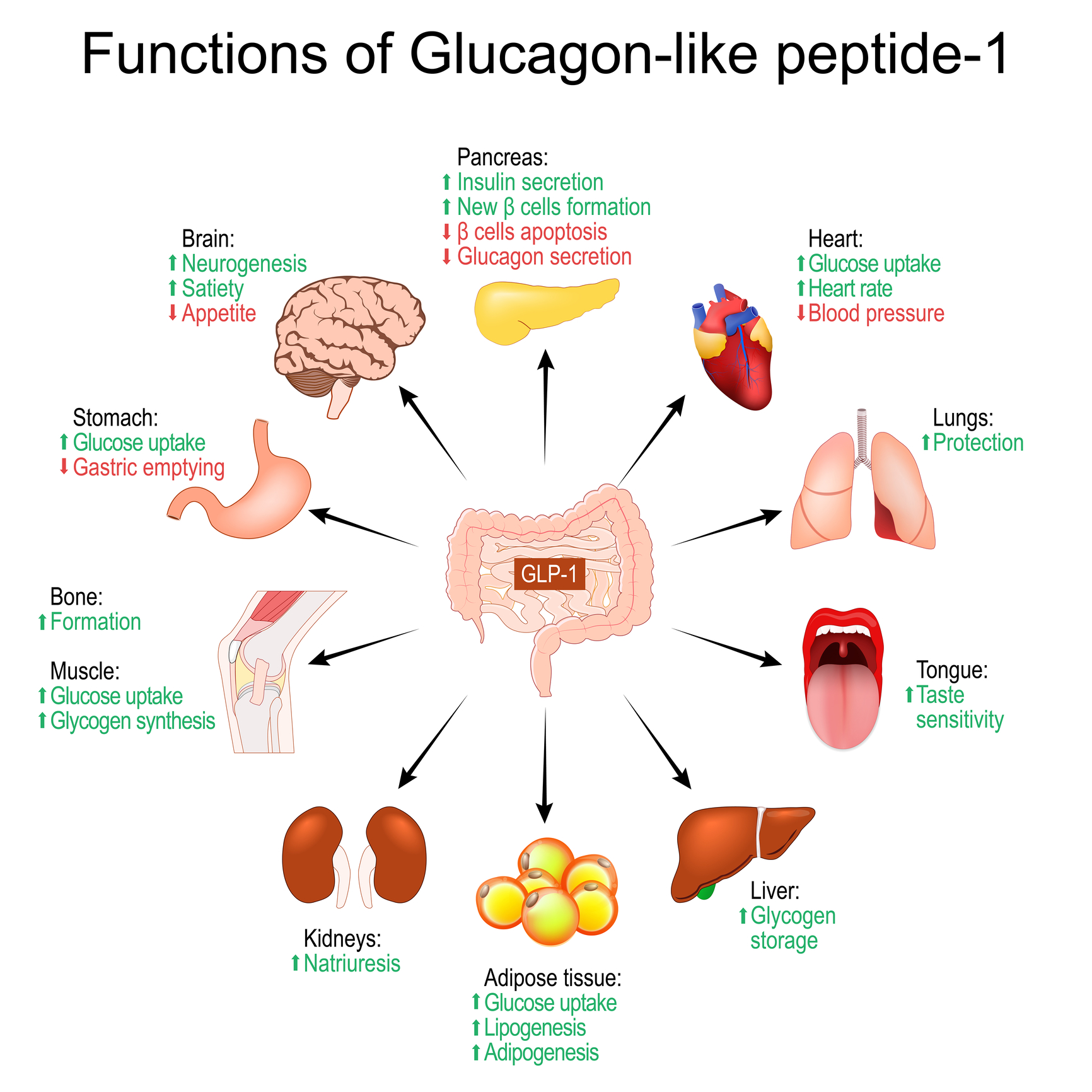
![Mechanism of action of GLP-1 [25]](https://www.researchgate.net/publication/256289222/figure/fig1/AS:614177232142337@1523442671231/Mechanism-of-action-of-GLP-1-25.png)