Research interest has also extended to NNMTs role in cancer metabolism and tumor microenvironment modulation, where its overexpression is associated with poor prognosis in multiple cancer types
This treatment gap explains why patients and clinicians are exploring peptide therapy as an adjunct option
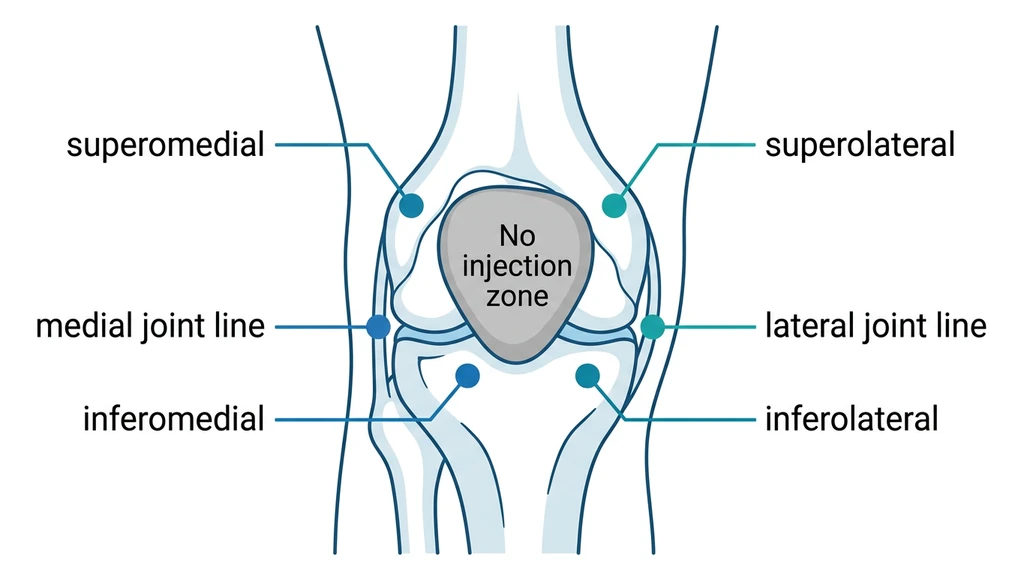
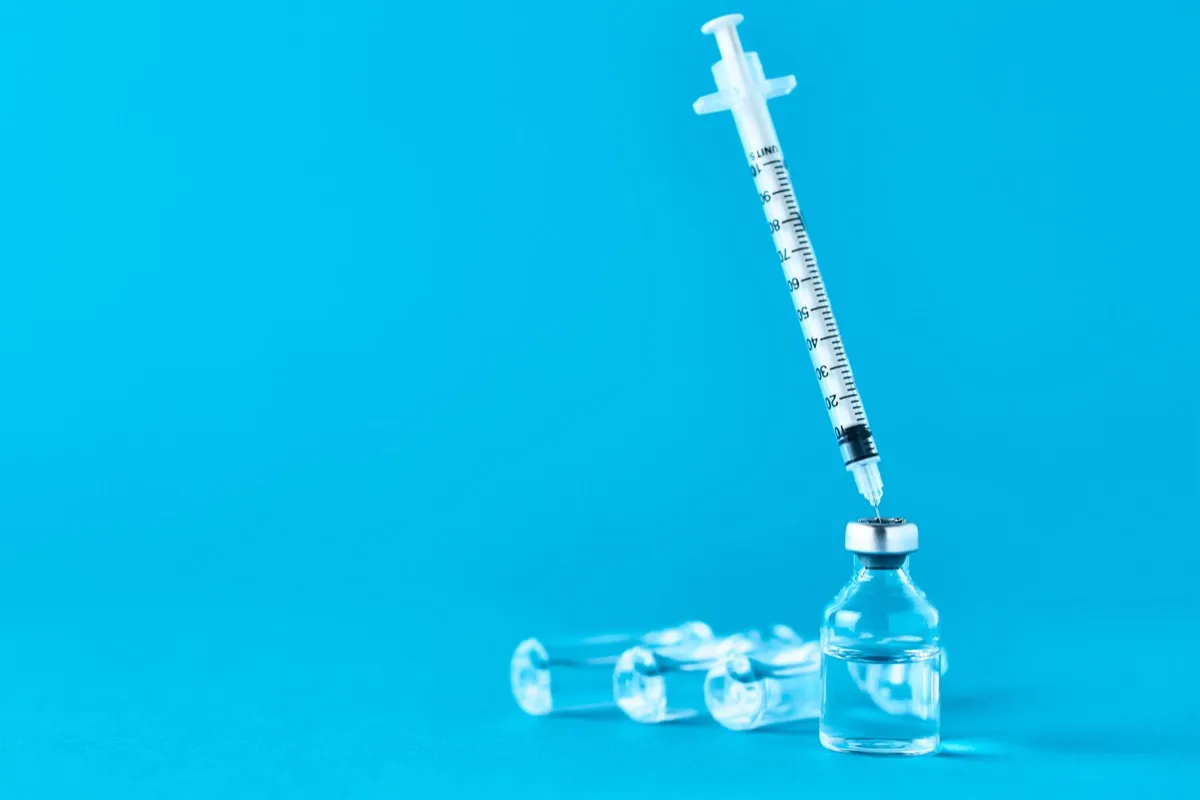
How to Inject BPC-157 Safely Under Medical Guidance Subcutaneous Injections: Simple and Effective Best for: Systemic healing or mild injuries Location: Abdomen or near the injured area Needle: 2931 gauge, inch Technique Clean vial top and skin with an alcohol pad Draw reconstituted peptide with a sterile syringe Pinch skin and inject at a 4590 angle Dispose of the needle properly Intramuscular Injections: Deeper Targeting Best for: Deep tissue, ligament, or tendon repair Needle: 2730 gauge, 1 inch Inject near injury site for maximum effect Rotate injection sites to prevent irritation Stacking BPC-157 With Other Peptides BPC-157 + TB-500 Goal: Accelerate healing and flexibility Protocol: BPC-157 250500 mcg daily (local injection) TB-500 25 mg weekly (divided doses) These two peptides complement each other: BPC-157 targets the injured tissue, while TB-500 promotes systemic healing

BPC-157 Injection Benefits Faster Injury Recovery Helps heal muscle tears, tendon injuries, and ligament damage
3 (2003): CD004394
These injections bypass the digestive system and deliver the vitamin directly into your bloodstream, allowing for rapid correction of the deficiency and improvement in symptoms like fatigue